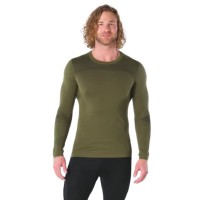

REASONS TO BUY
Unique fabric zones to promote breathability/stretch/durability
Lofted up merino wool care of synthetic blend
Long length with drop tail
REASONS TO AVOID
Inset seams
Pricey
No thumb loops or front zip

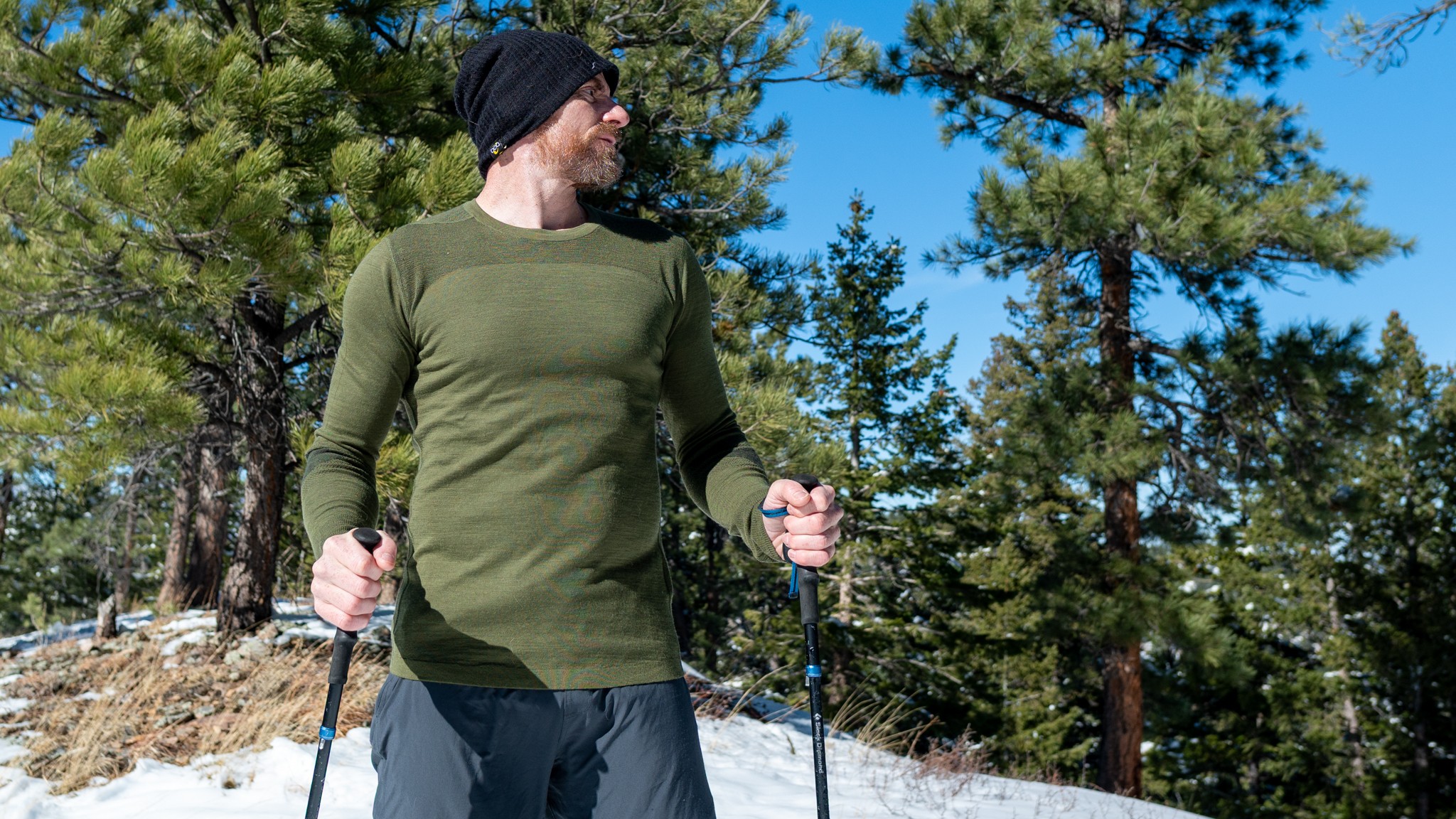

One sharp glance at the Smartwool Intraknit Thermal Merino and you may suspect that there is something very different about this base layer. What are all these different patterns found everywhere? The answer is a heavy dose of design and engineering. Different areas of the Intraknit Thermal have unique characteristics: the back, the top of the chest, and the armpits are more breathable; the elbows are more durable; and the ends of the sleeves have the most stretch. All this is accomplished without additional stitching using what we can only guess is akin to wizardry. The end result is a base layer that's warmer or more breathable in all the right places.

Warmth retention for the Smartwool Intraknit Thermal Merino is a little above average compared to most of the tops in our lineup. It's no match for the very heaviest of base layers, but still much warmer than most of the lightest. This Goldilocks level of warmth makes this top work really well in all but the warmest and coldest conditions, making it an easy pick when dashing out the door in our hectic lives. However, its warmth is not too surprising given its results on the scale; if anything, it slightly underperforms for its weight.
One explanation for this is that the fabric is a wool/knit blend of 53% Merino wool, 45% polyester, and 2% elastane, which isn't strictly tuned for warmth retention but also for breathability, durability, and comfort. The fabric itself has a high degree of loft for its weight, with very obvious pockets for warm air to nestle into and for water vapor to escape from. This fine balance of attributes the Intraknit exhibits is really what we love to see in a base layer. The only thing we're really missing is a half-zip on the front for really fast dumping of trapped hot air, for scenarios like when we finally catch up to friends and crest the top of the hill on our morning skin.

Our lab tests showed a high degree of breathability for the Smartwool Intraknit Thermal Merino, especially for its somewhat heavier weight. Our air permeability tests resulted in better scores than most of the 100% merino wool layers in our stable, which just can't naturally loft up as fluffy. We verified this design using a microscope, but the loose knit is seen easily with just your naked eye. A looser knit in your base layer is one of the keys to keeping warm air trapped close, while allowing water vapor to escape.
One clever feature of the Smartwool Intraknit Thermal Merino is its use of variable knitting patterns in strategic locations. In terms of breathability, a keen eye will notice that the back, arm pits, and upper chest feature a slightly looser knit to promote even more breathability. This is a subtle feature with a small overall effect, but it is welcome on a baselayer that is likely buried under many other layers and inaccessible to swap out.
The Smartwool Intraknit Thermal Merino fits tighter than other heavier base layers, hugging the body closer with fabric that stretches nicely over the wearer's body in a fairly flattering way. Stretch, and the recoil, should not be undersold, as the fabric functions with far more elasticity than most any other wool blends in our lineup. The very technical nature of the fabric itself really comes into play here, where some parts of the top, like the ends of the sleeves, have more give than others. We did notice that this fabric isn't quite as soft as other merino and merino blends, perhaps due to the amount of synthetic fibers.
Marketing material for the Smartwool Intraknit Thermal Merino talks about a “seamless construction”, but from what we see (obvious seams!), this isn't entirely straight talk, as this base layer is constructed of panels of fabric sewn together with low-profile flatlock seams similar to many other base layers. The set-in sleeve design seems out of place for a technical top, and a seam runs on the crest of the shoulder, which could cause annoyance to those who hump a heavy pack.
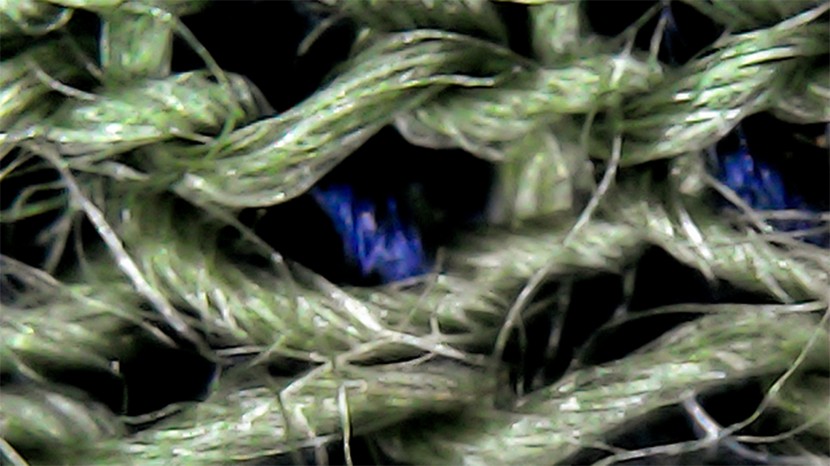
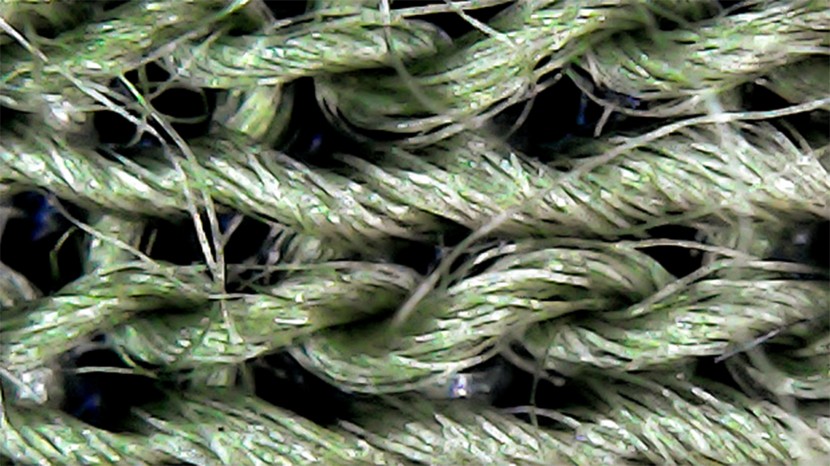
What is unique is the seemingly double-layered fabric. The next-to-skin side is uniform and generally a looser knit, while the opposite layer does have areas with unique characteristics based on placement that Smartwool confusingly calls “panels,” and these are created without additional seam work. We're not sure how this is accomplished, but it does remind us of the construction of technical socks, perhaps from Smartwool's own line, and you could speculate that's where they've adapted the technology from.
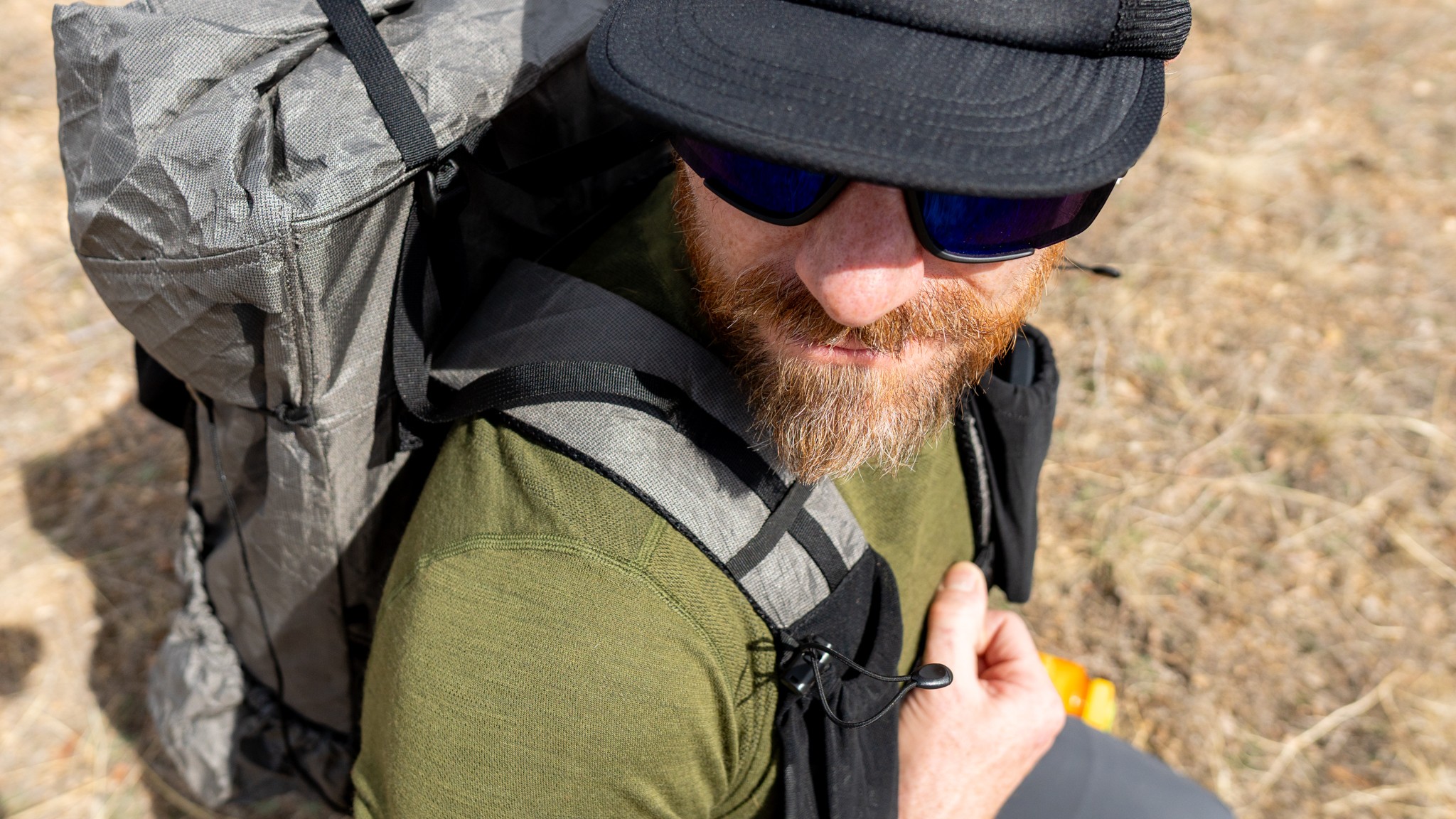
Overall, the durability of the Smartwool Intraknit Thermal Merino is fairly impressive. Oftentimes, more technical base layers falter in their quest for ultimate warmth/breathability, but the Intraknit takes some additional steps to actually enhance it. Just like the patterns for better breathability, a different knit pattern is found at the elbows that appears to be a bit tougher overall than the rest of the top.
The four-way stretch of the fabric, as well as its recoil, seems to have passed the test of time. We've previously reviewed the Smartwool Intraknit Thermal Merino a few years ago, and we're happy to report that the shape of this base layer hasn't degraded over time. All too often, 100% merino wool tops stretch out in ways that are hard to salvage, which is one of the reasons you may opt for a wool/synthetic-blend top like the Intraknit Thermal, even if absolute warmth doesn't quite compare. Heavy abrasion would be another story, though, and this top, like many similar to it, will fall victim to snags: use something else when conquering that off-width crack on your next trip to Moab.
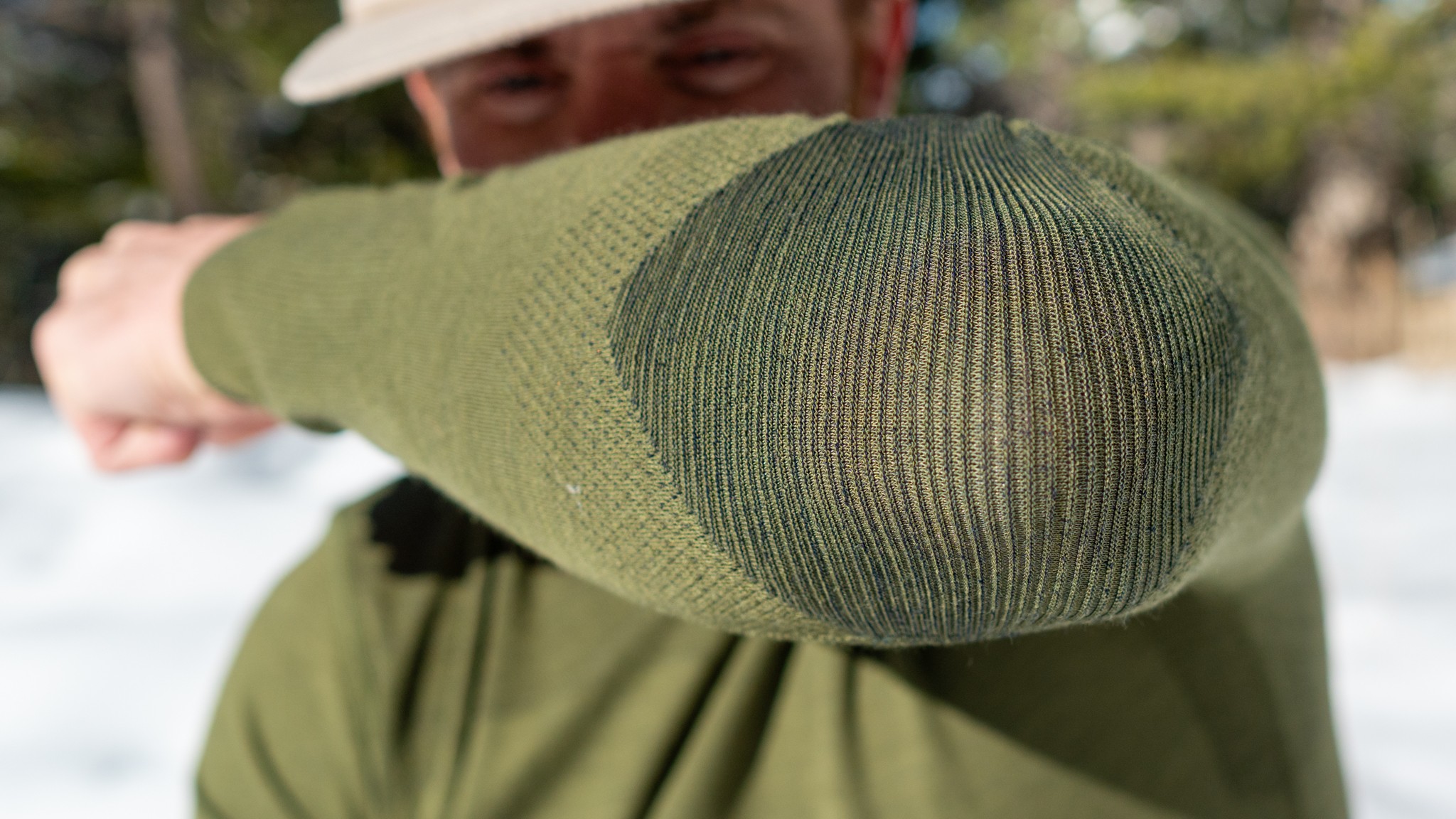
Drying speed is usually a function of the top's weight, the fabric it's made of, and its loft. At 8.3 oz for a men's size “large”, we didn't expect lightning-quick dry times for the Smartwool Intraknit Thermal Merino without violating the laws of thermodynamics, but it has qualities that conspire to deliver pretty good results nonetheless.
The first is the high loft found in the Intraknit Thermal, which exposes more surface area to dry air, helping water evaporate efficiently. The second is the fabric type, and the wool/synthetic blend found on the Intraknit is overall hydrophobic, which encourages water to move through the fabric, spread out on the surface, and encourages this evaporation.
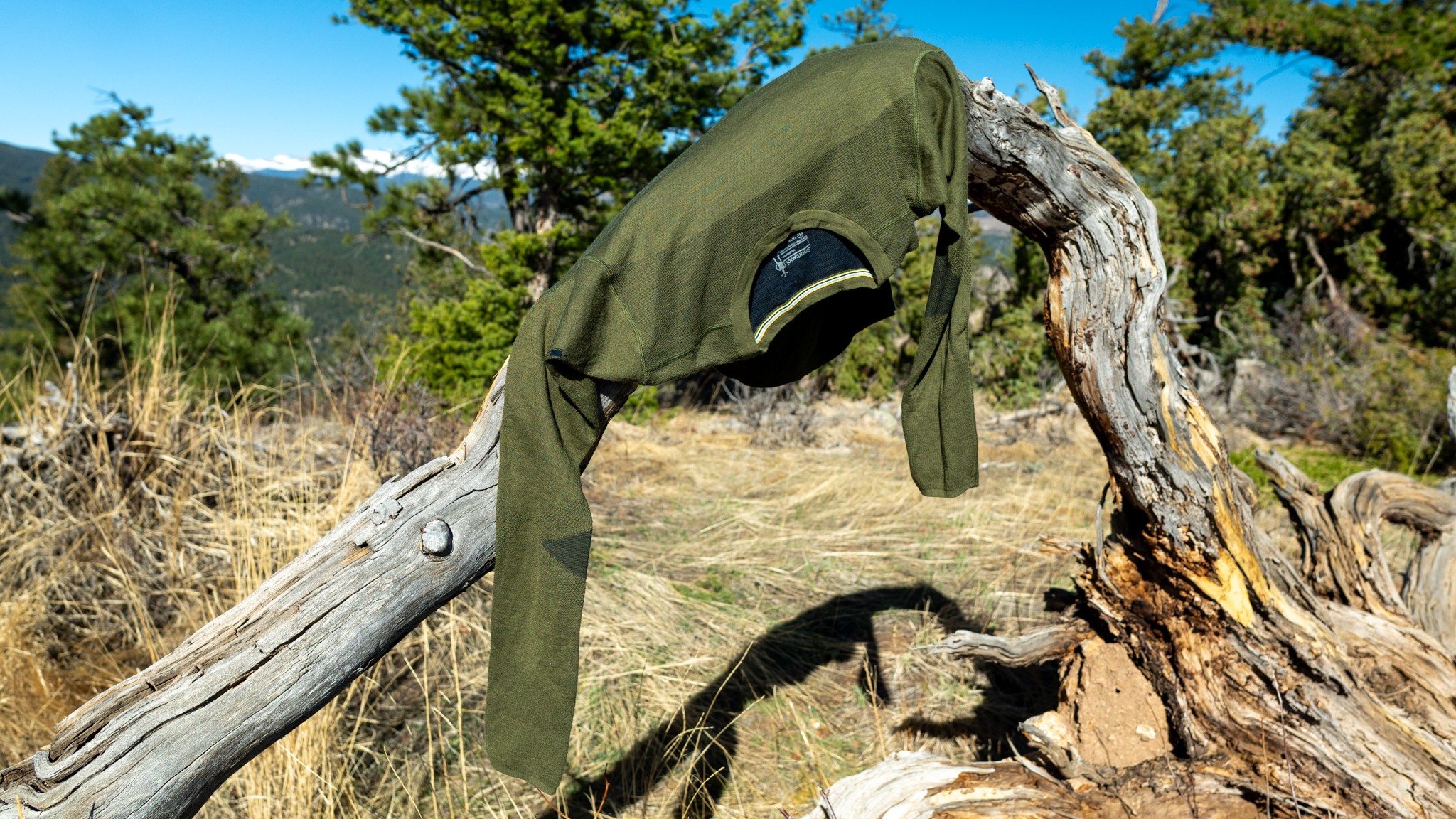
The Smartwool Intraknit Thermal Merino is very easy to wear under other jackets and mid-layers. The tighter fit is perfect for a next-to-skin layer, as there is less of a chance of fabric moving out of place. And if it does, the fabric's ultimate stretchiness also prevents discomfort. The fabric isn't the softest, and the texture just isn't quite as nice as the best 100% merino wools, but it didn't irritate our skin at all.
And unlike other wool-based layers, we give the Smartwool Intraknit Thermal Merino a thumbs up for wearing out as a mid-layer and even an outer layer. The durability is high enough to allow this, and the unique zone styling adds to its look rather than detracts from it. The slight drop hem at the back is a really nice touch, as putting on layers can cause base layers to ride up a bit, and it's nice to have a little more coverage. This is true for the longer-than-normal sleeves as well. You won't find thumb loops on the Intranit, but the sleeves' ends are extra stretchy and snug, helping them stay in place.
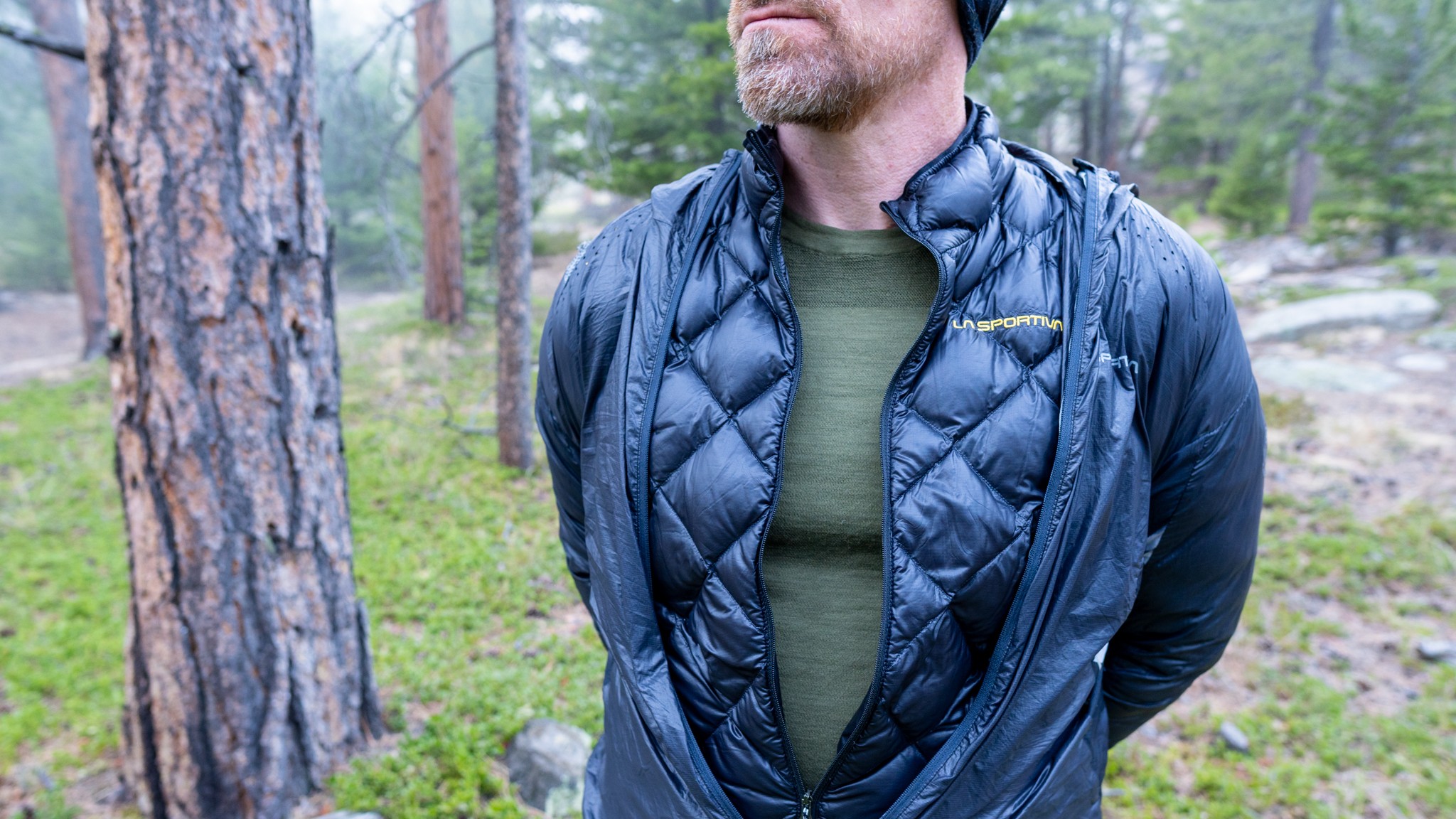
No base layer works for all conditions, but the Smartwool Intraknit Thermal Merino gets really close. With a very precisely measured balance of warmth, breathability, and durability, this base layer is a smart purchase that delivers value for its higher list price.

| Awards |  Best Midweight Layer |
|---|---|
| Price | $130 List Check REI (on sale!) |
Overall Score  |
|
| Star Rating | |
| Bottom Line | A uniquely engineered base layer that delivers warmth where you want it and breathability where you need it |
| Pros | Unique fabric zones to promote breathability/stretch/durability, lofted up merino wool care of synthetic blend, long length with drop tail |
| Cons | Inset seams, pricey, no thumb loops or front zip |
| Rating Categories | Smartwool Intraknit... |
| Warmth (25%) | |
| Breathability (20%) | |
| Comfort and Fit (20%) | |
| Durability (15%) | |
| Drying Speed (10%) | |
| Layering Ability (10%) | |
| Specifications | Smartwool Intraknit... |
| Fabric Weight Class | Midweight |
| Material | 53% Merino wool, 45% polyester, 2% elastane |
| Fit | Slim fit |
| Odor Control Fabric | Naturally odor resistant |
| Time to Air Dry | 45 min |
| Thumb Loops | No |
| Dryer Safe | No |
| UPF Sun Protection | None listed |
| Seam Stitching | Flatlock seams (mesh inserts are seamless 3D) |
| Shoulder Top Seams | Yes |
| Drop Tail Hem | Yes |
| Measured Weight (Size Large) | 8.3 oz |
| Measured Shirt Length (Size Large) | 29.0 in |
| Available Cuts | Crew, 1/4 zip |